
Retained Baby Teeth
Don't Settle for an Incomplete Smile
Sometimes, a baby tooth doesn’t fall out, and that’s not your fault. This happens because the adult tooth underneath never developed, a condition called hypodontia or congenitally missing teeth.
On the surface, a retained baby tooth can feel like a roadblock to having the smile you want. But beyond appearance, it may also affect how you bite, cause your teeth to shift, and even impact your breathing at night.
The bright side? You're not stuck. It's more common than you might think, and our experienced doctors see this nearly every day.
A Plan That Evolves With You
We Listen And We Don’t Rush
Everyone experiences a lingering baby tooth differently, and we believe you don’t need to rush into treatment you’re not ready for.
If you’re feeling unsure whether your retained baby tooth is a problem or has already fallen out, we’re ready to meet you where you’re at. With a simple evaluation at one of our two offices, we will help answer your questions and craft a solution that's thoughtfully built around your life and goals.
Baby Teeth as a Teen and Young Adult
For a teen, a retained baby tooth acts as a crucial placeholder that protects developing bone and gum tissue. We avoid rushing into permanent replacements until their jaw is fully grown to ensure the most stable long-term result.
In the meantime, we use natural-looking temporary restorations so they can smile with total confidence. This careful timing preserves the width of their dental arch and supports a healthy airway, setting the stage for their future systemic wellness.
Baby Teeth as an Adult
Many adults find that a baby tooth can serve them for years, but these teeth aren't designed for the pressure of an adult bite. Over time, they often wear down or shift, which can cause your dental arch to narrow or collapse. Dr. Fava provides permanent restorations that preserve the natural width of your smile to protect your health as you age.
Keeping this structure intact is vital because your airway begins at the mouth. A wide, stable arch ensures your airway stays open, which supports your heart health and mental clarity as you move into your 30s and beyond. By choosing a permanent solution now, you are moving past a simple "fix" and building a foundation for your body’s total wellness.
Questions Our Patients Often Ask
How do I know if I have a retained baby tooth?
A baby tooth is typically smaller and sits lower than the surrounding adult teeth. However, some are shaped similarly to adult teeth, making them difficult to spot without professional imaging. A simple evaluation with our doctors can confirm if a primary tooth is still present.
Are baby teeth in adults always smaller?
Not always. While many are noticeably smaller, some blend in quite well. The main difference lies beneath the surface in the root structure, which is why clinical guidance is necessary to determine the tooth's long-term stability.
What’s the best treatment for a retained baby tooth?
There is no universal answer, but Dr. Fava often recommends a dental implant as the gold standard. This approach replaces the missing adult tooth while maintaining the width of your dental arch and preventing surrounding teeth from shifting.
Is this only a cosmetic problem?
No. While many patients are concerned about the space in their smile, the health implications are more significant. An incomplete dental arch can impact your breathing and airway health. Maintaining an open airway is essential for your cardiovascular health and cognitive function as you age.
The Payoff: A Smile That Lasts
Your smile deserves a foundation built for the long term, regardless of where your dental journey started. While a retained baby tooth presents a specific clinical challenge, it also offers an opportunity to create a sophisticated health strategy that protects your alignment and bone structure.
How We Can
Implant Proceduere
Still Have a Baby Tooth?

Get Started Today
Top Rated-Periodontics & Implants
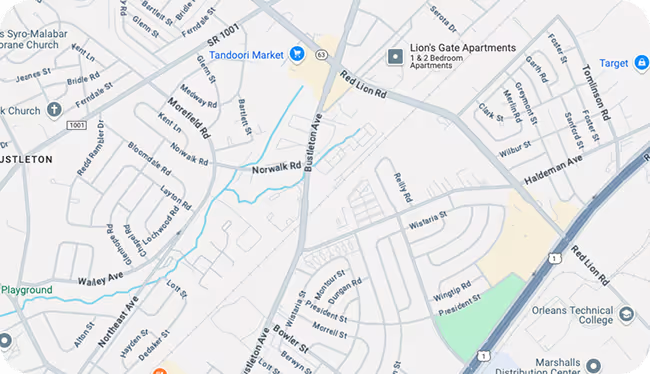
NE Philadelphia Location
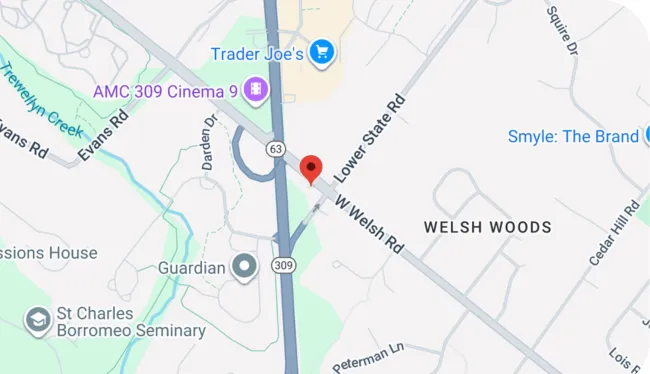
Lower Gwynedd Location
Lower Gwynedd Township, PA 19002