
Restore Support Before Tooth Loss Progresses
Advanced periodontal disease can quietly damage the structures that hold your teeth in place. As bone and gum tissue break down, teeth may feel loose, gums may recede, and everyday function can become less stable.
With treatment for bone and gum loss, Dr. Fava, Dr. Schoenebeck and Dr. Cutler help patients protect their natural teeth and restore stability when damage has already occurred.
Regaining Your Strength
Protect Teeth Before They Are Lost
When bone and gum support is lost, teeth can begin to feel less stable over time. Treatment focuses on stopping further breakdown and helping you keep your natural teeth whenever possible.
Restore Damaged Bone And Tissue
Regenerative treatments allow our doctors to restore areas affected by infection, helping rebuild the foundation that supports your teeth and improving long-term stability.
Improve Comfort And Function
Restoring support can help reduce sensitivity, make chewing feel more natural, and protect exposed root surfaces from further wear or discomfort.
Modern Periodontal Surgery Has Evolved
Periodontal reconstruction has advanced significantly in the last decade. Today’s techniques are more predictable, biologically driven, and focused on regeneration rather than removal alone.
These improvements allow Dr. Fava, Dr. Schoenebeck and Dr. Cutler to better restore both function and appearance while supporting your long-term oral health.
Removing Infection And Stabilizing Bone
When periodontal disease becomes advanced, infection can begin to damage the bone and gum support around your teeth. In these cases, a procedure called osseous surgery may be used to carefully remove infected tissue and smooth areas of uneven bone.
This allows your gums to heal in a cleaner, more stable environment and helps slow further progression of the disease. While effective, this approach is often combined with newer regenerative techniques that focus on rebuilding lost support whenever possible.
Restoring Bone Lost To Gum Disease
When bone has already been damaged, regenerative periodontal procedures may help rebuild areas affected by infection.
These treatments use biologically active materials, bone grafting, and protective membranes to encourage your body’s natural healing process and support new bone formation.
In some cases, materials such as Gem-21®, Emdogain™, or PRGF (platelet-rich growth factors) may be used to enhance healing and improve long-term stability.
Rebuilding Gum Protection Around Teeth
When gums recede, tooth roots can become exposed, leading to sensitivity, higher risk of decay, and changes in how your smile looks and feels.
Gum grafting helps rebuild a stable band of protective tissue around the teeth. This may involve using tissue from the palate or advanced grafting materials such as Mucograft® or acellular dermal matrices.
In select situations, regenerative gels and grafting materials can be used to avoid a second surgical site while still supporting strong, predictable results.
Care Focused On Long-Term Stability
Good periodontal care looks beyond individual teeth. Dr. Fava, Dr. Schoenebeck and Dr. Cutler work together on every case, combining expertise and advanced technology to deliver precise treatment that supports lasting results.
Protecting Your Teeth Starts With Support
Bone and gum loss does not always mean tooth loss is inevitable. With timely treatment, it is often possible to restore stability, improve comfort, and protect your natural smile.
Dr. Fava, Dr. Schoenebeck and Dr. Cutler work together to provide focused periodontal care aimed at preserving your natural teeth whenever possible.
Frequently Asked Questions
What causes bone and gum loss?
The most common cause is advanced periodontal disease, which gradually destroys the bone and gum tissue supporting the teeth.
Can lost bone be rebuilt?
In many cases, yes. Regenerative procedures can help stimulate new bone growth using grafting materials and biologically active agents.
Is periodontal surgery painful?
Most procedures are performed under local anesthesia. Mild soreness after treatment is normal and typically manageable.
What is the recovery time?
Recovery depends on the procedure, but most patients resume normal activities within a few days while full healing continues over several weeks.
When is gum grafting needed?
Gum grafting is recommended when recession exposes tooth roots, causing sensitivity, aesthetic concerns, or risk of decay.
What materials are used in regeneration?
Doctors may use bone grafts, membranes, or biologic materials such as Gem-21®, Emdogain™, or PRGF to support healing.
Can this prevent tooth loss?
Yes. The goal of treatment is to restore support structures early enough to prevent further deterioration and tooth loss.
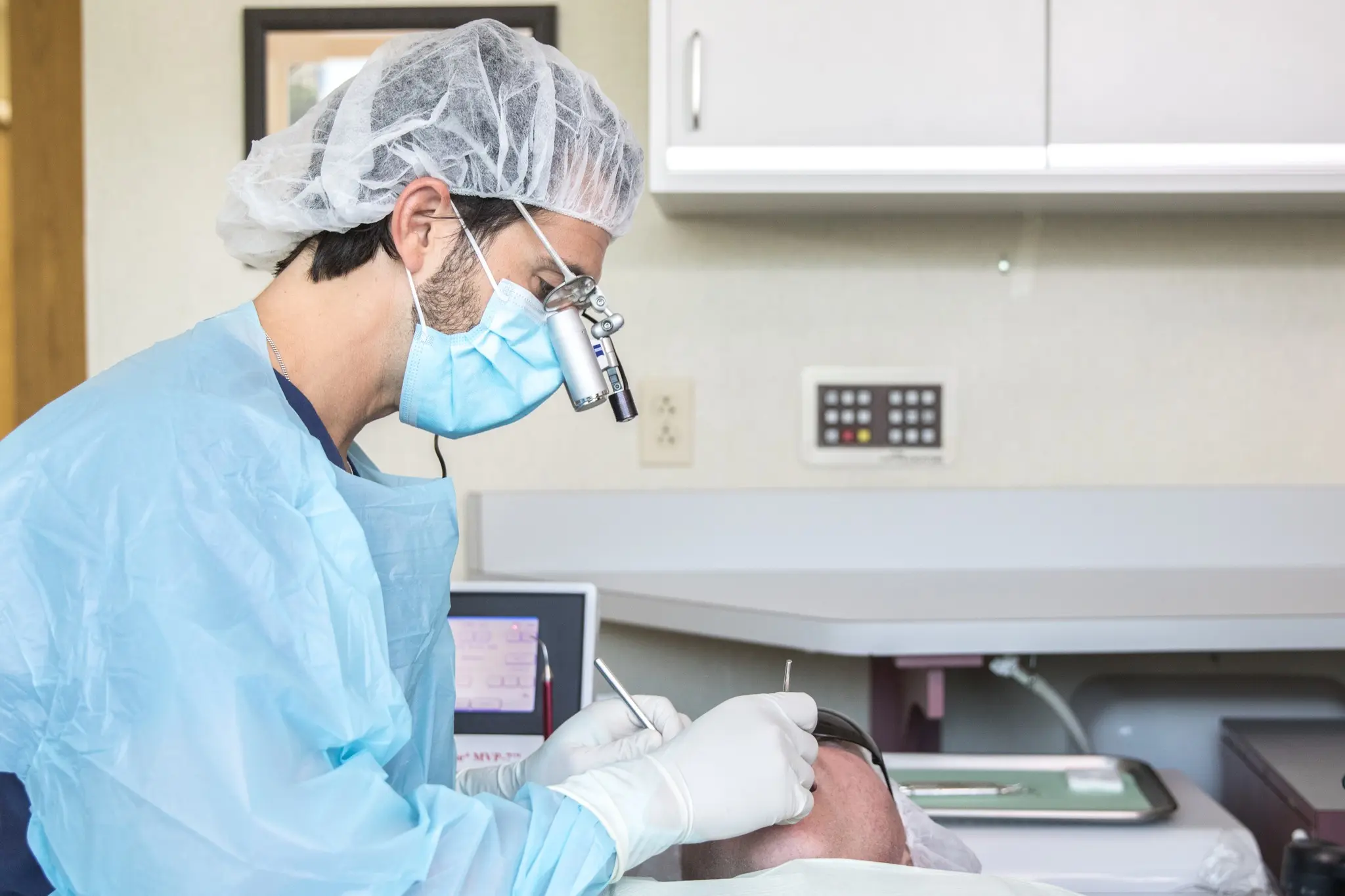
Reconstructive Procedures
Reconstructive Care
Surgical Solutions for Bone/Gum Loss

Get Started Today
Top-Rated Periodontics & Implants
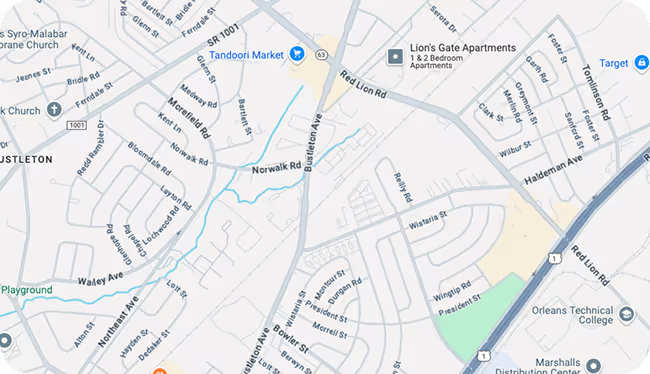
NE Philadelphia Location
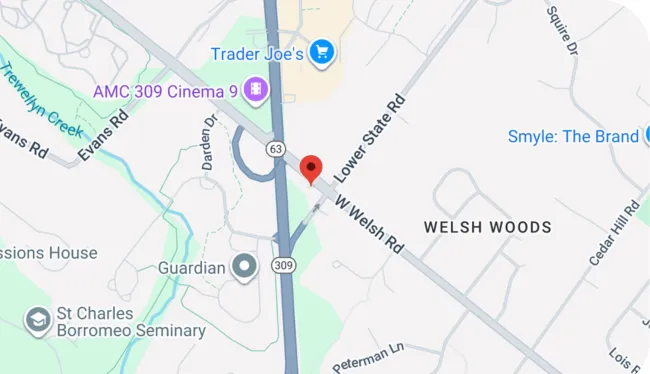
Lower Gwynedd Location
Lower Gwynedd Township, PA 19002